

-
-
Sign In
Create your Account
Breaking News
Inverter Battery Care Tips: गलत पानी से जल्दी खराब हो सकती है बैटरी, जानें सही तरीका और एक्सपर्ट राय
पटना-पूर्णिया एक्सप्रेसवे रूट विवाद: समस्तीपुर में लोगों का विरोध, घर-दुकान और कॉलेज पर संकट के आरोप
अनंत सिंह समेत 7 आरोपियों को बड़ी राहत, गोपालगंज अश्लील डांस और हथियार प्रदर्शन मामले में मिली जमानत
समस्तीपुर में 15 केंद्रों पर होगी सिपाही भर्ती परीक्षा, प्रशासन ने कदाचारमुक्त संचालन के लिए कसी कमर
परीक्षार्थियों के लिए रेलवे का बड़ा फैसला, बिहार के चार जिलों से पाटलिपुत्र तक चलेंगी स्पेशल ट्रेनें
रिशु श्री घोटाला केस में SVU की बड़ी कार्रवाई, तीन अधिकारी गिरफ्तार, पूर्व IAS संजीव हंस की तलाश तेज
SP अरविंद प्रताप सिंह का सख्त एक्शन, लापरवाही के आरोप में बिथान थानाध्यक्ष प्रकाश चंद्र राजू सस्पेंड
Sitamarhi News: डॉ. स्मृति स्पर्श को राष्ट्रीय सम्मान, समस्तीपुर में भी खुलेगा अत्याधुनिक IVF केंद्र
Samastipur News: मोहनपुर में ‘रन फॉर एनवायरनमेंट’ का आयोजन, युवाओं ने पर्यावरण संरक्षण का दिया संदेश
जदयू ने पार किया 1 करोड़ सदस्यता का आंकड़ा, नीतीश कुमार के नेतृत्व में संगठन विस्तार को मिली नई ताकत
IPL 2026 Final: कैलाश खेर की शानदार प्रस्तुति ने बांधा समां, सुरों से गूंज उठा नरेंद्र मोदी स्टेडियम
समस्तीपुर में सीएसपी डकैती कांड का खुलासा, फरार आरोपी गिरफ्तार, पुलिस ने पूरी साजिश का किया पर्दाफाश
बिहार में मौसम का बड़ा बदलाव, 8 जिलों में तेज बारिश का अलर्ट, आंधी ने मचाई तबाही और उमस से मिली राहत
Tata Sons News: टाटा समूह में बढ़ा अंदरूनी तनाव, घाटे और IPO को लेकर नोएल टाटा-चंद्रशेखरन आमने-सामने
Samastipur School Timing Changed: भीषण गर्मी के कारण 31 मई तक स्कूलों में 11 बजे के बाद पढ़ाई पर रोक
नौतन में घर के बाहर बैठे युवक की गोली मारकर हत्या, बुलेट अंसारी की मौत से बवाल, सड़क जाम कर प्रदर्शन
विक्रमशिला सेतु पर बेली ब्रिज निर्माण पूरा, जल्द शुरू होगा यातायात, बीआरओ ने तेज की मरम्मत प्रक्रिया
बेउर नाला निर्माण में लापरवाही पर बड़ा एक्शन: ठेकेदार कंपनी पर 10 लाख जुर्माना, ब्लैकलिस्ट की तैयारी
Bihar Politics: मुजफ्फरपुर में मंत्री की जुबान फिसली, खुद को बता बैठे स्वास्थ्य मंत्री, वीडियो वायरल
Bihar School: सरकारी स्कूलों में अब पढ़ाई के बाद होगी स्पेशल कोचिंग, शिक्षकों को मिलेगा अलग इंसेंटिव
बिहार में दिव्यांगों और बुजुर्गों के लिए चलेगी स्पेशल बस सेवा, पटना में शुरू होंगी लो-फ्लोर CNG बसें
राजधानी एक्सप्रेस में लगी आग: राजस्थान में AC कोच में धुआं उठते ही मची अफरा-तफरी, 68 यात्री सुरक्षित
آج کی قومی خبریں: بھارت میں سیاسی، معاشی، سماجی اور تکنیکی شعبوں میں بڑی تبدیلیاں، مکمل تفصیلی رپورٹ
बेगूसराय में बिहार पुलिस की तैयारी कर रहे युवक ने की आत्महत्या, मां के इलाज का खर्च बना चिंता की वजह
Iran Internet Toll Plan: हॉर्मुज स्ट्रेट की केबल्स पर टैक्स की तैयारी, इंटरनेट स्पीड पर असर की आशंका
समस्तीपुर में सनसनी: खानपुर में युवक का गला रेतकर कत्ल, बगीचे से मिला शव, शराब की बोतलों ने खोला राज
Bihar Bridge Safety Alert: पुल टूटा तो नहीं बचेंगे अफसर! बिहार सरकार ने इंजीनियरों को किया हाई अलर्ट
1 लाख से कम में बेस्ट गेमिंग लैपटॉप: दमदार प्रोसेसर, RTX ग्राफिक्स और हाई परफॉर्मेंस वाले टॉप ऑप्शंस
ممبئی تربوز موت معاملہ: فارنسک رپورٹ میں بڑا انکشاف، چوہا مار زہر سے ایک ہی خاندان کے 4 افراد کی موت
मोकामा विधायक अनंत सिंह पर FIR के बाद सियासत गरम, जनेऊ कार्यक्रम में डांस-हथियार विवाद पर बयान वायरल
पूर्णिया में मिड-डे मील में कीड़ा मिलने पर सख्ती, जांच में लापरवाही उजागर, निगरानी बढ़ाने के निर्देश
लॉन्च के 6 महीने में OnePlus 15 हुआ महंगा, 6,000 रुपये तक बढ़ी कीमत, जानिए नए फीचर्स और स्पेसिफिकेशन
Samastipur/Delhi: कैबिनेट विस्तार से पहले दिल्ली में तेज हलचल, सम्राट चौधरी की शाह-राजनाथ से मुलाकात
Bihar Police News: गया में लव ट्रायंगल विवाद में फायरिंग, निजी ड्राइवर ने सरकारी सिपाही को मारी गोली
नालंदा के पावापुरी में सोशल मीडिया प्रेमजाल से अपहरण और फिरौती का खुलासा, मुख्य आरोपी युवती गिरफ्तार
बिहार में पंचायत चुनाव से पहले साइबर ठगी तेज, मानदेय के नाम पर जनप्रतिनिधियों को बनाया जा रहा निशाना
Bihar Judges Transfer: पटना हाईकोर्ट की अनुशंसा पर 8 न्यायाधीशों का तबादला, कई जिलों में नई पोस्टिंग
मनु भाकर से वैभव सूर्यवंशी पर सवाल से छिड़ा विवाद, सोशल मीडिया पर क्रिकेट बनाम अन्य खेलों की बहस तेज
गया जंक्शन पर 20 दिन का मेगा ब्लॉक, राजधानी एक्सप्रेस सहित कई ट्रेनों के रूट और प्लेटफॉर्म में बदलाव
बिहार में प्रशासनिक फेरबदल की तैयारी, कैबिनेट विस्तार के बाद कई जिलों में नए डीएम और आईएएस तबादले तय
मधुबनी में मुकेश सहनी का बड़ा बयान, कहा—समाज के बिना ‘मलाई’ नहीं चाहिए, निषाद आरक्षण पर फिर उठी मांग
Apple MacBook Ultra: 2027 में आ सकता है नया प्रीमियम लैपटॉप, OLED और टच स्क्रीन समेत बड़े बदलाव संभव
Bihar Satellite Township: बिहार में 11 सैटेलाइट टाउनशिप की शुरुआत, जमीन मालिकों को मिलेगा 55% हिस्सा
Instagram का नया Instants ऐप लॉन्च, Snapchat को मिलेगी टक्कर—बिना फिल्टर फोटो शेयरिंग फीचर चर्चा में
काजोल ने तोड़ा 30 साल पुराना नियम, पहली बार किया ऑन-स्क्रीन किसिंग सीन—खुद बताया क्यों लिया यह फैसला
पीएम मोदी का बंगाल दौरा: कोलकाता में रोड शो के बाद हुगली नदी में नौका विहार, तस्वीरों ने खींचा ध्यान
कच्चे तेल की कीमत 100 डॉलर पार, अमेरिका-ईरान तनाव से बाजार धड़ाम, सेंसेक्स और निफ्टी में भारी गिरावट
Bihar NH Projects Update: पटना-पूर्णिया एक्सप्रेसवे सहित 6 बड़ी सड़क योजनाएं कैबिनेट मंजूरी में अटकी
Iran–US Diplomatic Breakthrough in Islamabad: High-Level Talks Expected Amid Tight Security Lockdown
Iran–US Diplomatic Breakthrough in Islamabad: High-Level Talks Expected Amid Tight Security Lockdown
बिहार में सैलरी-पेंशन भुगतान पर संकट, 10% कर्मचारियों को नहीं मिला वेतन, करोड़ों लाभार्थी इंतजार में
जमुई में शराब तस्करी गिरोह का भंडाफोड़, मास्टरमाइंड समेत 5 गिरफ्तार, नाबालिगों के इस्तेमाल का खुलासा
कटिहार में खेत में करंट लगने से पति-पत्नी की दर्दनाक मौत, चार बच्चों के सिर से उठा माता-पिता का साया
दरभंगा में 128 राजस्व कर्मचारी निलंबित, सामूहिक अवकाश से सरकारी काम बाधित करने पर डीएम का बड़ा एक्शन
बक्सर में सुकन्या योजना के नाम पर साइबर ठगी का बड़ा खुलासा, 80 महिलाओं के खातों से करोड़ों का लेनदेन
Imad Mughniyeh: The Shadow Commander Behind Hezbollah’s Global Network and Modern Asymmetric Warfare
बिहार में सम्राट चौधरी के शपथ ग्रहण से पहले पटना में हाई अलर्ट, ट्रैफिक व्यवस्था बदली, कई रास्ते बंद
भागलपुर में शराबबंदी पर बड़ा सवाल: उत्पाद विभाग की गाड़ी से शराब बरामद, चालक नशे में हंगामा करता रहा
Bihar Airport Expansion: Survey to Be Conducted in 4 Districts, AAI Team from Delhi to Inspect Sites
बिहार के सरकारी स्कूलों में सख्त निगरानी लागू, अधिकारियों को रोज 3 स्कूलों का निरीक्षण करना अनिवार्य
पटना में RJD अल्पसंख्यक प्रकोष्ठ के कार्यक्रम में गरजे तेजस्वी यादव, केंद्र-राज्य सरकार पर बोला हमला
शराबबंदी पर मांझी का बड़ा बयान, बोले- पाव भर शराब वालों पर सख्ती क्यों, बड़े तस्कर कैसे बच जाते हैं?
समस्तीपुर में अपर मुख्य सचिव डॉ. एन विजयलक्ष्मी ने LPG, PNG और जनकल्याण सेवाओं का लिया विस्तृत जायजा
रोहतास में मंदिर से चांदी का गदा और कीमती सामान चोरी, ग्रामीणों में उबाल—“अब भगवान भी सुरक्षित नहीं”
आस्था, अनुशासन और प्रकृति उपासना का महापर्व: चैती छठ 22 मार्च से, चार दिनों तक गूंजेगा भक्ति का स्वर
पश्चिम चंपारण में जमीन विवाद बना खून-खराबे की वजह, पिता और भाई पर हत्या का आरोप, एक की मौत, दो गंभीर
पटना में BPSC TRE-4 नोटिफिकेशन को लेकर शिक्षक अभ्यर्थियों का महा आंदोलन, पैदल मार्च में जताई नाराजगी
बिहार में इफ्तार डिप्लोमेसी: नीतीश कुमार और चिराग पासवान की दावतें सियासी गलियारों में चर्चा का विषय
निशांत कुमार की जदयू में धमाकेदार एंट्री: जिम्मेदारी तय होने की प्रतीक्षा, पार्टी और विपक्ष में हलचल
हाजीपुर कोर्ट में सनसनी: पेशी के दौरान कैदी ने छत से पोखर में लगाई छलांग, पुलिस ने घेराबंदी कर पकड़ा
युद्ध की आंच से रसोई तक संकट: दरभंगा में गैस सिलेंडर के लिए सुबह 4 बजे से लाइन, खाली हाथ लौट रहे लोग
नीतीश कुमार के बेटे निशांत कुमार का राजनीतिक डेब्यू: राज्यसभा की राह और बिहार की राजनीति में नई पारी
भारत में अप्रैल से अनिवार्य: E20 इथेनॉल-ब्लेंडेड पेट्रोल की नई ऑक्टेन रेटिंग, आयात पर निर्भरता घटेगी
बिहार में अब जमीन दलालों की खैर नहीं: सरकार ने हर अंचल कार्यालय में लगाए CCTV, सख्त कार्रवाई का एलान
राजद-जदयू विवाद: नीरज कुमार ने सुनील कुमार सिंह पर जमकर साधा निशाना, शराब और इलेक्ट्रॉल बांड पर घेरा
दिल्ली से लेह जा रही स्पाइसजेट की उड़ान तकनीकी खराबी के कारण वापस दिल्ली लौट आई, सभी यात्री सुरक्षित
बिहार विधानसभा में विधायक निधि बढ़ाने को लेकर हंगामा: सत्ता और विपक्ष एकजुट, सदन में देर तक नारेबाजी
बजट सत्र के 15वें दिन सदन में हंगामा: अपराध पर घिरी सरकार, जीआई टैग और छात्र योजनाओं पर भी गरमाई बहस
पीरपैंती पावर प्रोजेक्ट पर अडानी की नजर: बिहार की ऊर्जा तस्वीर बदलने वाली योजना की आज करेंगे समीक्षा
बयानबाज़ी से गरमाया बिहार—तेजस्वी यादव बनाम मैथिली ठाकुर टकराव में ‘पुराना-नया बिहार’ की बहस फिर तेज
बिहार राज्यसभा चुनाव 2026: AIMIM ने खुद का उम्मीदवार उतारने का किया ऐलान, पांचवीं सीट के समीकरण बदले
मुजफ्फरपुर: 16 वर्षीय छात्रा की गोली मारकर हत्या, आरोपी ने थाने में आत्मसमर्पण किया, इलाके में सनसनी
फुलवारी शरीफ छात्रा मौत मामला: संदिग्ध परिस्थितियों में छात्रा की मौत, हत्या या आत्महत्या की बहस तेज
पटना: तेज प्रताप यादव का बड़ा बयान, बोले- राजनीति में साजिशें आम हैं, मेरी हत्या की साजिश भी होती रही
लोकसभा स्पीकर पर घिरा विवाद: हटाने के प्रस्ताव से गरमाया बजट सत्र, जानिए क्या है संवैधानिक प्रक्रिया
सिवान में पत्रकार पर हमला: शादी से लौटते वक्त बाइक सवार बदमाशों ने फायरिंग कर किया गंभीर रूप से घायल
“होली पर बिहार आने वालों के लिए रेलवे ने चलाई स्पेशल ट्रेनें, यात्रियों के लिए तत्काल टिकट भी उपलब्ध
मुजफ्फरपुर में स्नातक छात्र पर बाइक सवार बदमाशों ने किया हमला, पेट में लगी गोली, पुलिस जांच में जुटी
बिहार बजट में महिला सशक्तिकरण का रोडमैप: गांव की इकाई से शहर के बाजार तक, ट्रेनिंग से सीधे रोजगार तक
मोदी सरकार में बिहार को रेलवे की नई ताकत:रेल बजट नौ गुना बढ़ा,हाईस्पीड कॉरिडोर से बदलेगी कनेक्टिविटी
बिहार में जमीन दस्तावेजों का डिजिटल युग:1908 से अब तक की रजिस्ट्री एक क्लिक पर,दफ्तरों के चक्कर खत्म
बजट 2026-27: ‘शी मार्ट’ से जीविका दीदियों को मिलेगा नया बाजार, बिहार बन सकता है महिला उद्यमिता का हब
कैथी लिपि के दस्तावेज अब नहीं बनेंगे सिरदर्द, सरकार ने तय किया रेट और उपलब्ध कराए प्रशिक्षित अनुवादक
समस्तीपुर जिले के अपर जिलाधिकारी बृजेश कुमार ने गणतंत्र दिवस पर जिलेवासियों को दी हार्दिक शुभकामनाएं
निष्ठा, सेवा और स्मृतियों से सजी विदाई: आचार्य विजयव्रत कंठ को भावभीनी सम्मान-समारोह में दी गई विदाई
समृद्धि यात्रा का सातवां पड़ाव: मुजफ्फरपुर को 850 करोड़ की विकास सौगात देंगे मुख्यमंत्री नीतीश कुमार
15-Week US–Iran War Ceasefire Deal Under Scrutiny as Key Trump Objectives Remain Unmet
- Reporter 12
- 16 Jun, 2026
After a 15-week US–Iran conflict involving Israel, a ceasefire agreement has been signed, but major objectives like regime change, nuclear dismantling, missile restrictions, and proxy control remain unresolved, raising global concerns over the deal’s effectiveness.
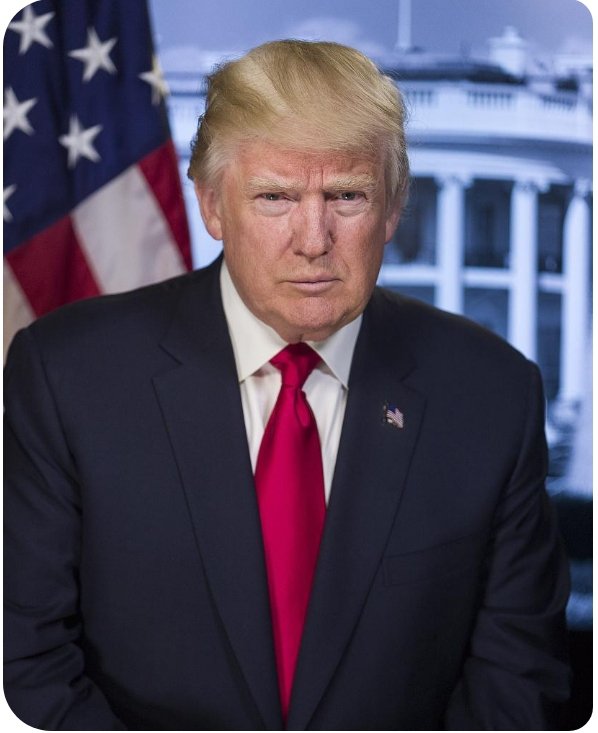
The 15-week military conflict between the United States, Israel, and Iran has officially transitioned into a ceasefire agreement, but the political and strategic debate surrounding it is far from settled. While the US administration under President Donald Trump has described the deal as a major diplomatic breakthrough, analysts, intelligence observers, and regional experts argue that most of the core objectives outlined at the beginning of the war remain incomplete or only partially addressed.
The conflict began on 28 February when coordinated military operations were launched by the United States in cooperation with Israel against multiple Iranian military and strategic installations. At the time, President Trump publicly outlined a set of ambitious goals that framed the operation as a decisive campaign to reshape the security architecture of the Middle East. These objectives included the removal of Iran’s current political leadership, the complete dismantling of its nuclear program, strict neutralization of its ballistic missile capability, weakening of its naval strength, and the disruption of Iran’s support networks for allied armed groups across the region.
However, after 15 weeks of continuous escalation involving missile strikes, drone attacks, cyber operations, and maritime disruptions, the resulting agreement appears to fall short of these declared goals. The ceasefire memorandum reportedly signed digitally by US Vice President JD Vance, Iranian Parliament Speaker Mohammad Bagher Ghalibaf, and President Trump has been presented as a framework for de-escalation rather than a comprehensive settlement of all disputed issues.
One of the most significant gaps identified in the agreement is the absence of any provision for regime change in Tehran. At the start of the conflict, Washington had encouraged internal political pressure within Iran, suggesting that the military campaign could serve as a catalyst for political transformation. Despite intense military pressure and significant infrastructure damage, Iran’s governing system remained intact throughout the conflict. No large-scale domestic uprising materialized, and the existing leadership maintained firm control over state institutions.
The nuclear issue, widely considered the central justification for the campaign, also remains unresolved. While Iranian nuclear facilities and infrastructure reportedly suffered damage during the strikes, the agreement does not include a verified mechanism for dismantling Iran’s enriched uranium stockpiles or permanently shutting down its sensitive nuclear sites. Instead, these matters have been deferred to future diplomatic negotiations, leaving uncertainty about long-term compliance and verification.
Similarly, Iran’s ballistic missile program, which Washington and Tel Aviv view as a major regional security threat, has not been formally restricted under the ceasefire terms. During the conflict, Trump repeatedly emphasized the need to eliminate Iran’s missile capabilities, arguing that they posed direct risks to US bases and Israeli territory. However, the final agreement does not introduce new limitations, inspection regimes, or enforcement mechanisms related to missile development.
Another unresolved dimension involves Iran’s support for regional proxy groups, including Hezbollah in Lebanon, the Houthis in Yemen, and various militias operating in Iraq and Syria. These groups have played a central role in Iran’s regional influence strategy. Although the US and Israel demanded a complete halt to financial, military, and logistical support for these organizations, the ceasefire agreement does not contain binding clauses addressing this network. As a result, Iran’s strategic influence across multiple conflict zones remains largely intact.
Energy security was also a critical factor during the conflict, particularly regarding the Strait of Hormuz, through which nearly 20 percent of global oil shipments pass. The war period saw disruptions in maritime traffic, contributing to volatility in global oil prices. While shipping lanes have since reopened, Iran has indicated that it intends to strengthen its monitoring and operational presence in this strategic waterway, raising concerns about future stability in global energy markets.
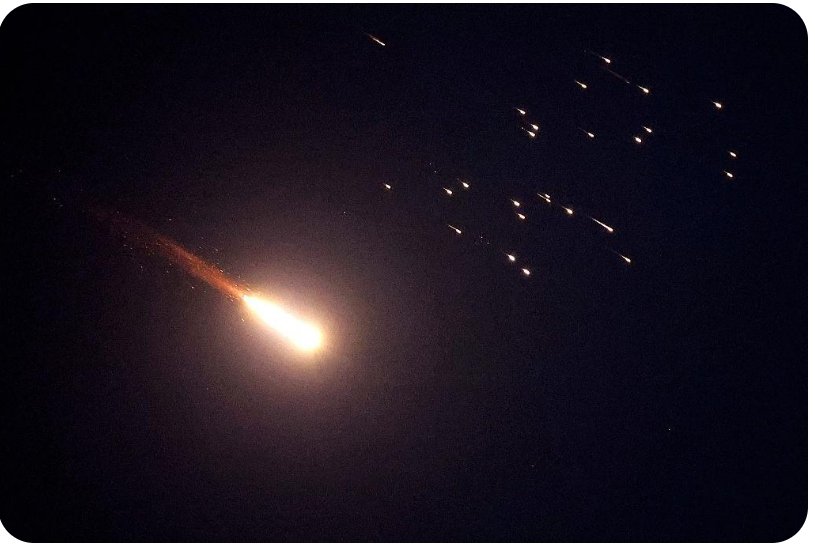
Throughout the 15-week conflict, both sides sustained significant military activity. US and Israeli forces reportedly targeted hundreds of Iranian military assets, including missile launch systems, command-and-control centers, air defense networks, drone bases, and naval infrastructure. Despite these losses, Iran maintained its ability to respond with missile and drone attacks across multiple fronts, including Israeli territory and regional US-linked positions.
The sustained exchange of strikes between March and May highlighted the resilience of both military structures and demonstrated that neither side achieved decisive battlefield dominance. Even as Iran absorbed heavy infrastructural damage, it continued launching coordinated retaliatory operations, signaling that its deterrence capability remained operational.
The ceasefire announced on 15 June brought an official pause to active hostilities, but it did not resolve the underlying strategic competition between the two sides. Instead, it appears to have shifted the conflict from a military phase into a prolonged diplomatic and geopolitical standoff.
Critics of the agreement argue that the deal functions more as a temporary de-escalation mechanism than a comprehensive peace settlement. They point out that unresolved issues such as nuclear verification, missile restrictions, proxy networks, and regional security guarantees could potentially reignite tensions in the future if diplomatic progress stalls.
Supporters of the agreement, however, argue that ending active warfare after 15 weeks of intense conflict represents a necessary step toward stabilizing the region and preventing further escalation. They emphasize that even partial agreements can serve as foundations for longer-term negotiations.
As the situation stands, the US–Iran ceasefire reflects both progress and limitation. While it has halted direct military confrontation for now, it leaves many of the original strategic objectives unfulfilled, raising questions about the durability of peace and the future direction of US policy in the Middle East.
Editorial (200–300 words):
The US–Iran 15-week conflict and its resulting ceasefire agreement highlight the complexity of modern hybrid warfare, where military action alone rarely produces complete political outcomes. The Trump administration entered the campaign with clearly defined and highly ambitious objectives, ranging from regime pressure to the dismantling of Iran’s nuclear and missile capabilities. Yet the final agreement suggests that these goals were only partially achievable through force.
One of the key takeaways is the resilience of state structures even under sustained military pressure. Despite targeted strikes on infrastructure and security assets, Iran’s political system did not collapse, nor did internal instability reach the level required to trigger regime change. This underscores a recurring pattern in Middle Eastern conflicts, where external military intervention often fails to translate into internal political transformation.
Another important dimension is the limitation of military tools in addressing technical issues such as nuclear development. Without sustained verification frameworks and diplomatic enforcement, military strikes can delay but not eliminate complex programs. Similarly, Iran’s regional influence through proxy networks remains a structural challenge that cannot be resolved through airstrikes alone.
Ultimately, the ceasefire may be best understood not as a resolution, but as a pause in a longer geopolitical rivalry. The durability of this pause will depend on whether both sides are willing to engage in sustained diplomatic negotiations addressing core security concerns.
Leave a Reply
Your email address will not be published. Required fields are marked *